ECHEYDE
THE IMAGE WE BROUGHT WITH US
The island is one of the most photographed territories in the Atlantic, saturated with images that know in advance what they want to see: volcanic sublime, tropical palette, the eternal spring of the tourist brochure. These photographs attempt something else. They attend to the moments where the categories we use to organize landscape (mineral and vegetal, wild and domestic, ancient and inhabited) lose their grip.
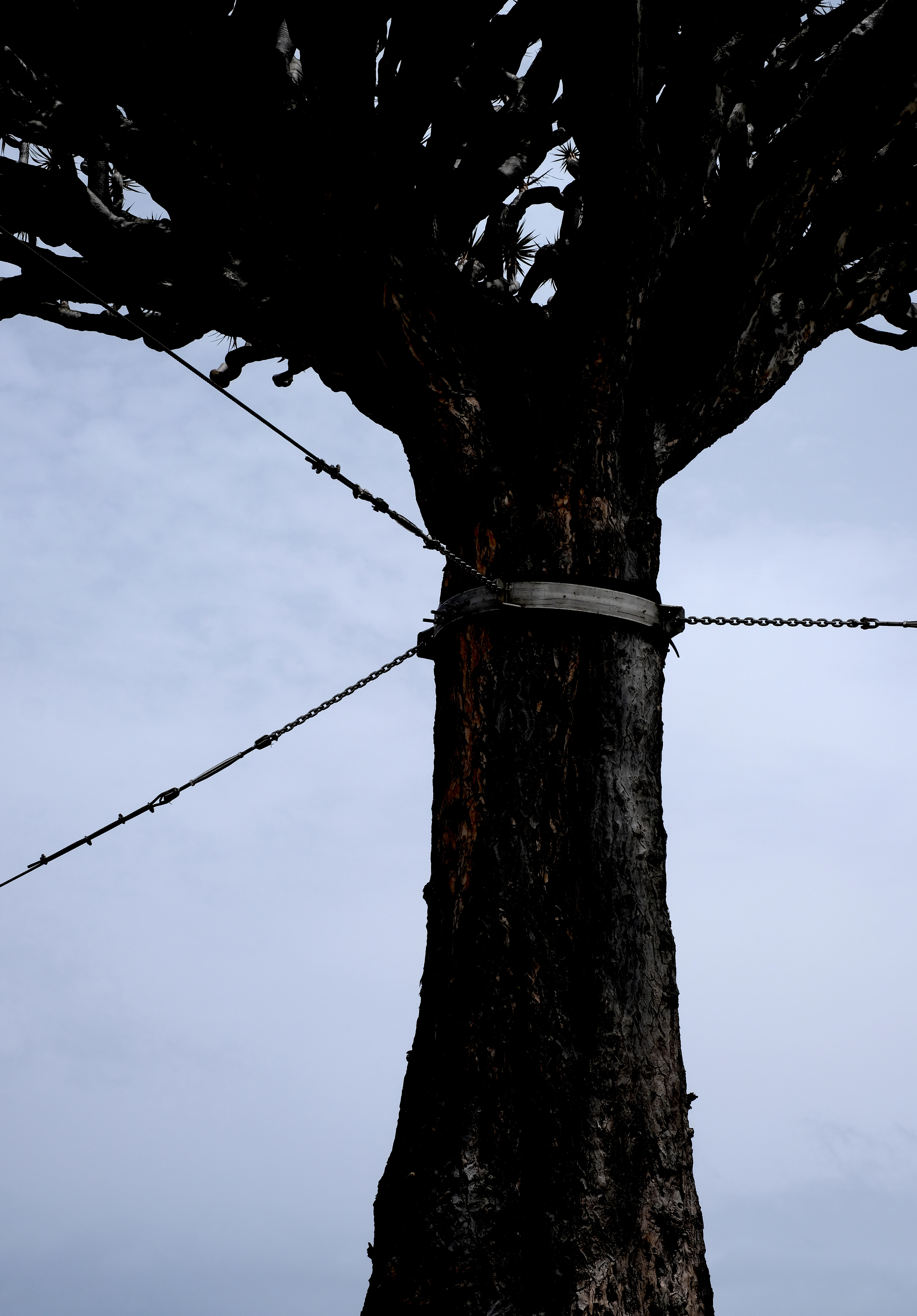
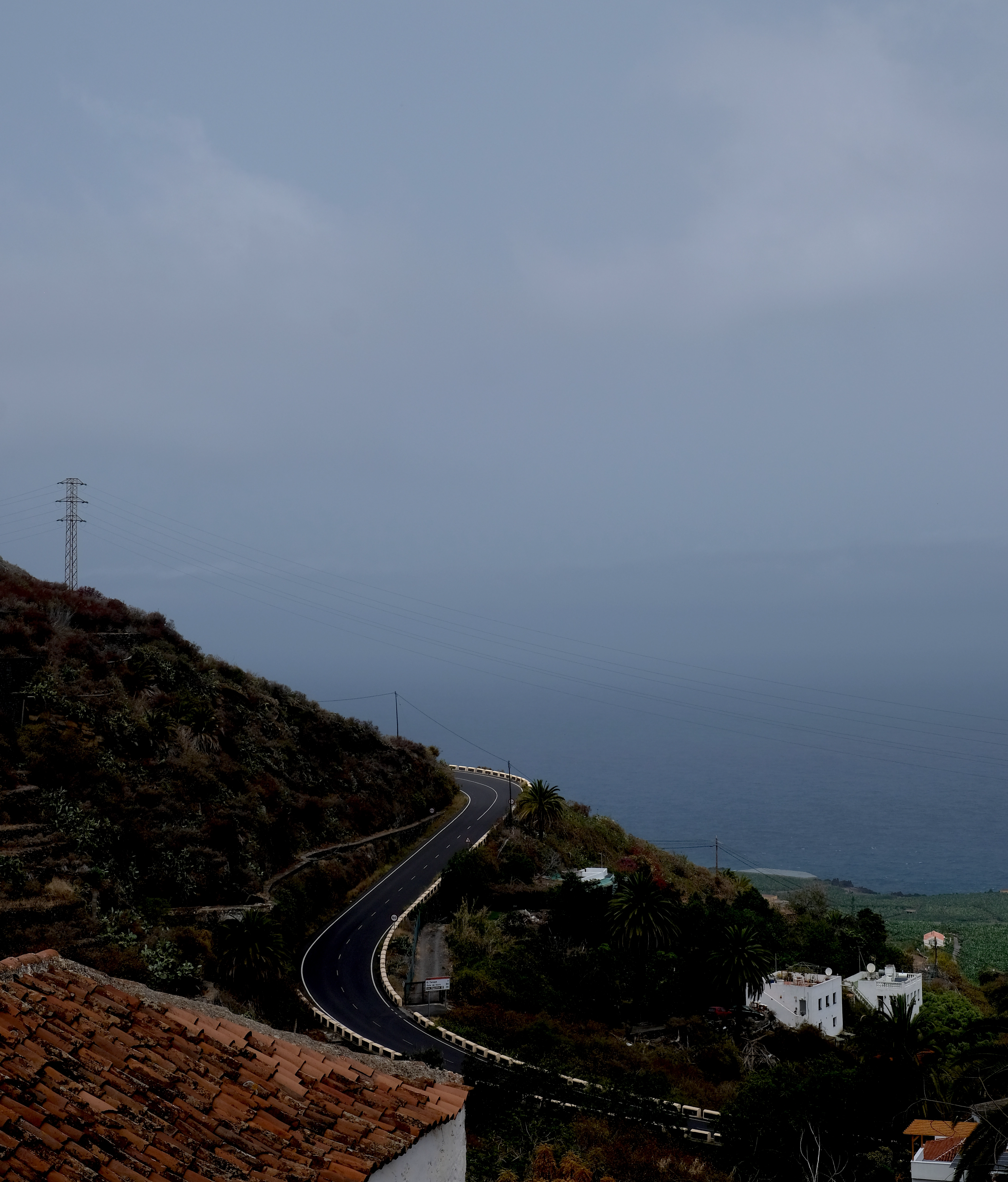
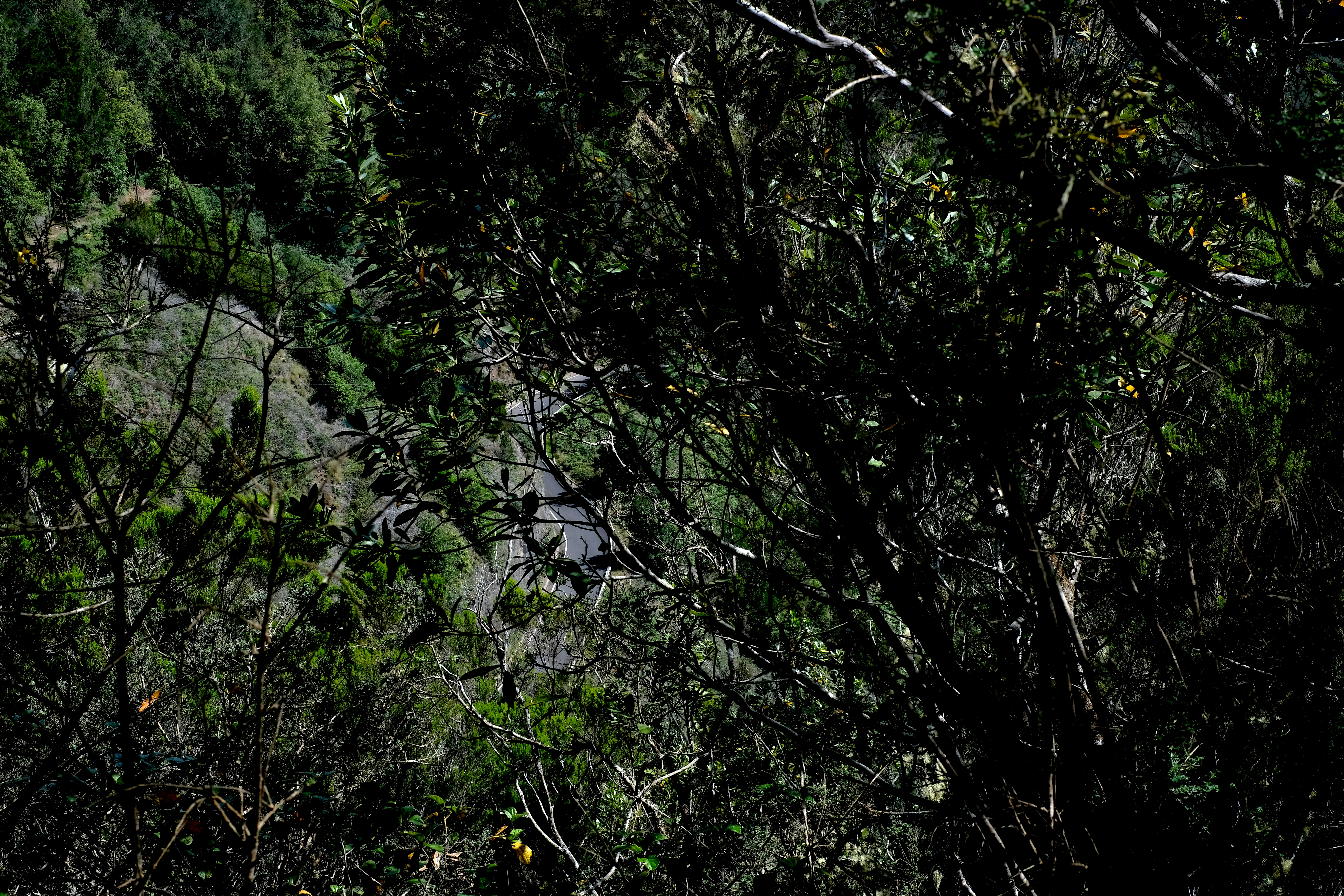
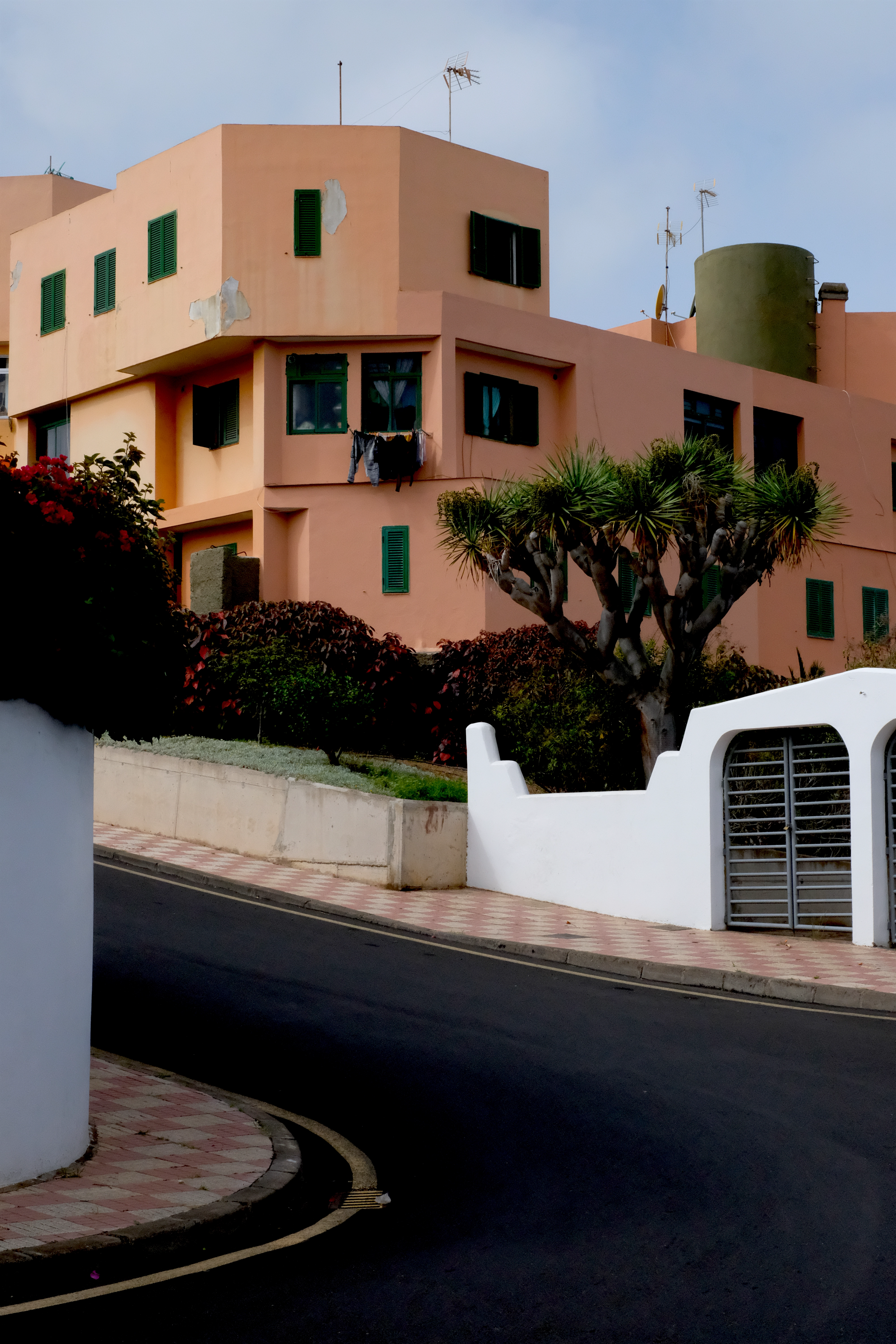
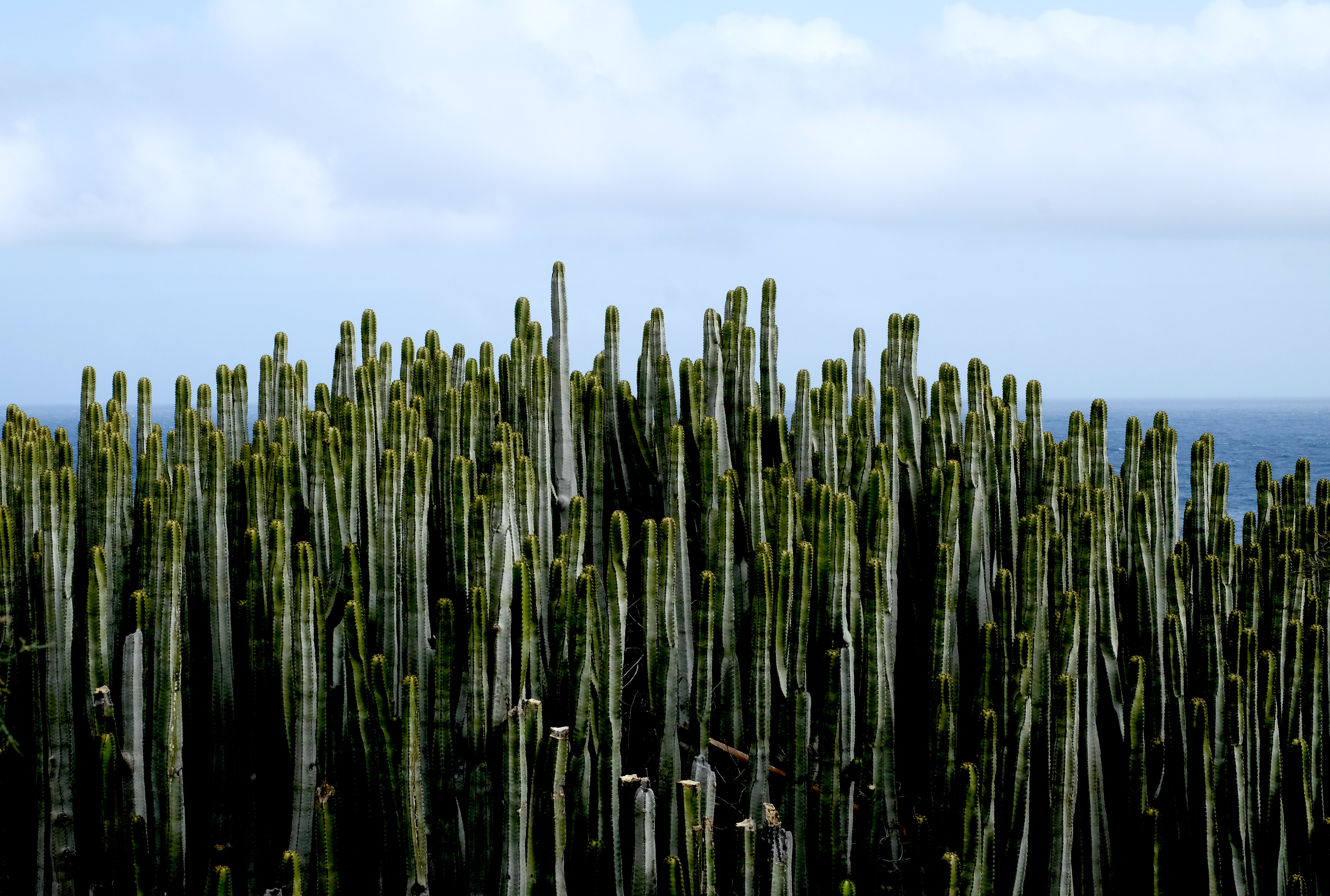
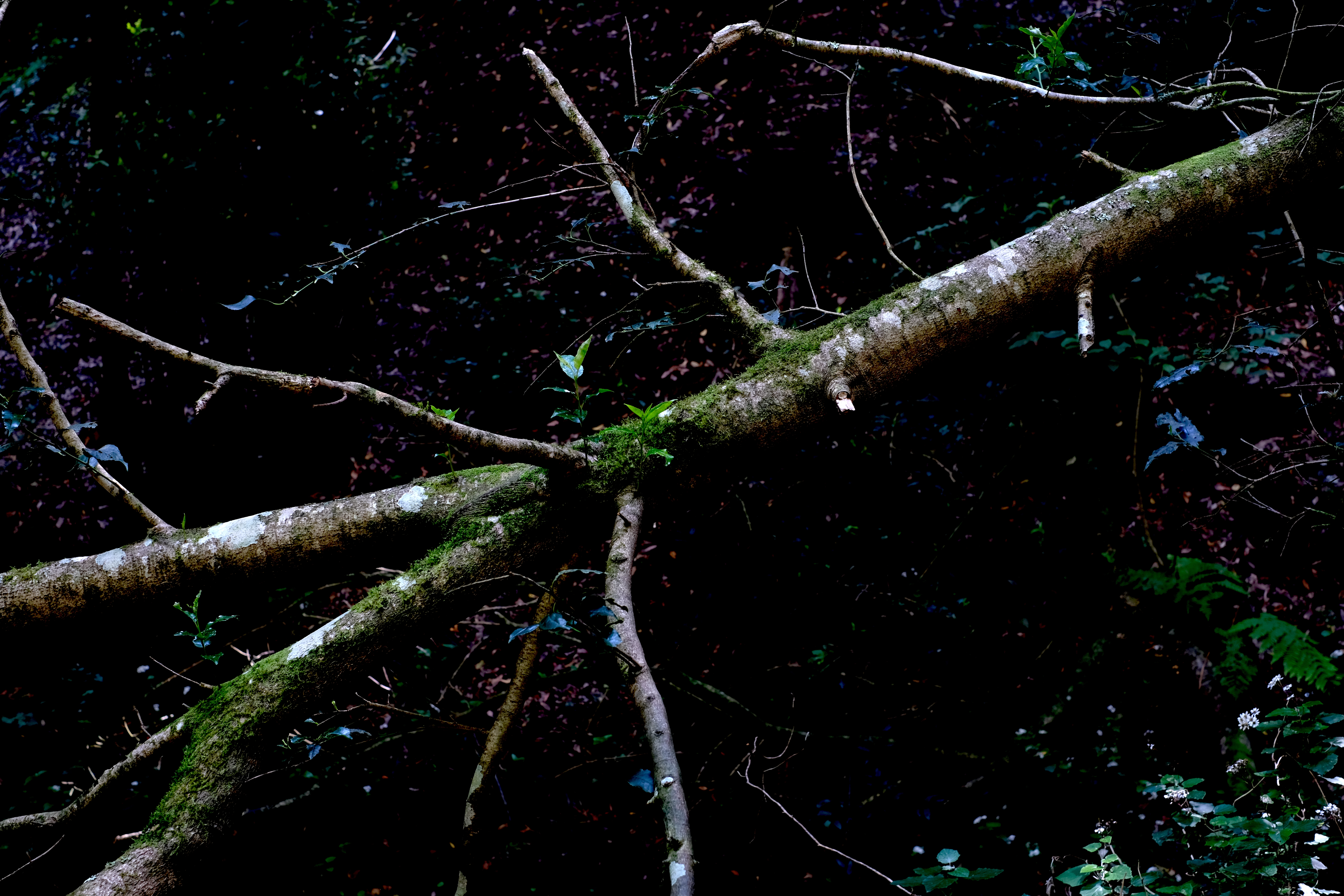
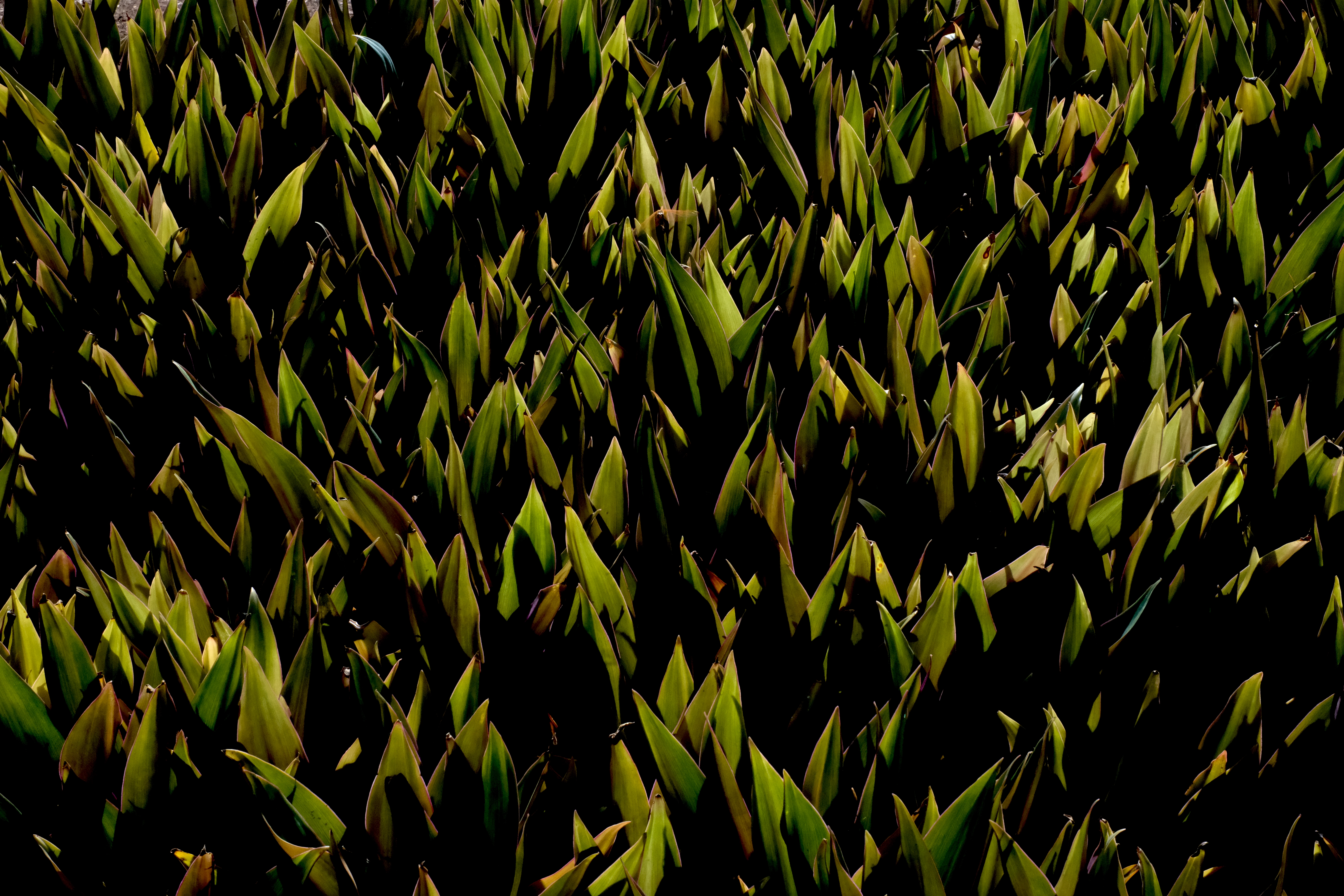
A Dracaena draco bound by cables and a steel band. Preservation indistinguishable from bondage, the endemic species kept alive through constraint. A field of cardón rises against the ocean like organ pipes, like basalt columns. Biology so rigid it could be read as geology. The forest refusing entry: a road appears and is swallowed. Elsewhere, a butterfly hides in plain sight among leaves, a living thing camouflaged as foliage. On a fallen branch, moss and new growth emerge at the joint where decay should be. Nothing stays in its category. The built environment offers no stability. A pastel apartment block stacks its volumes, too geometric to be organic, too strange to be functional. Laundry hangs from a window.
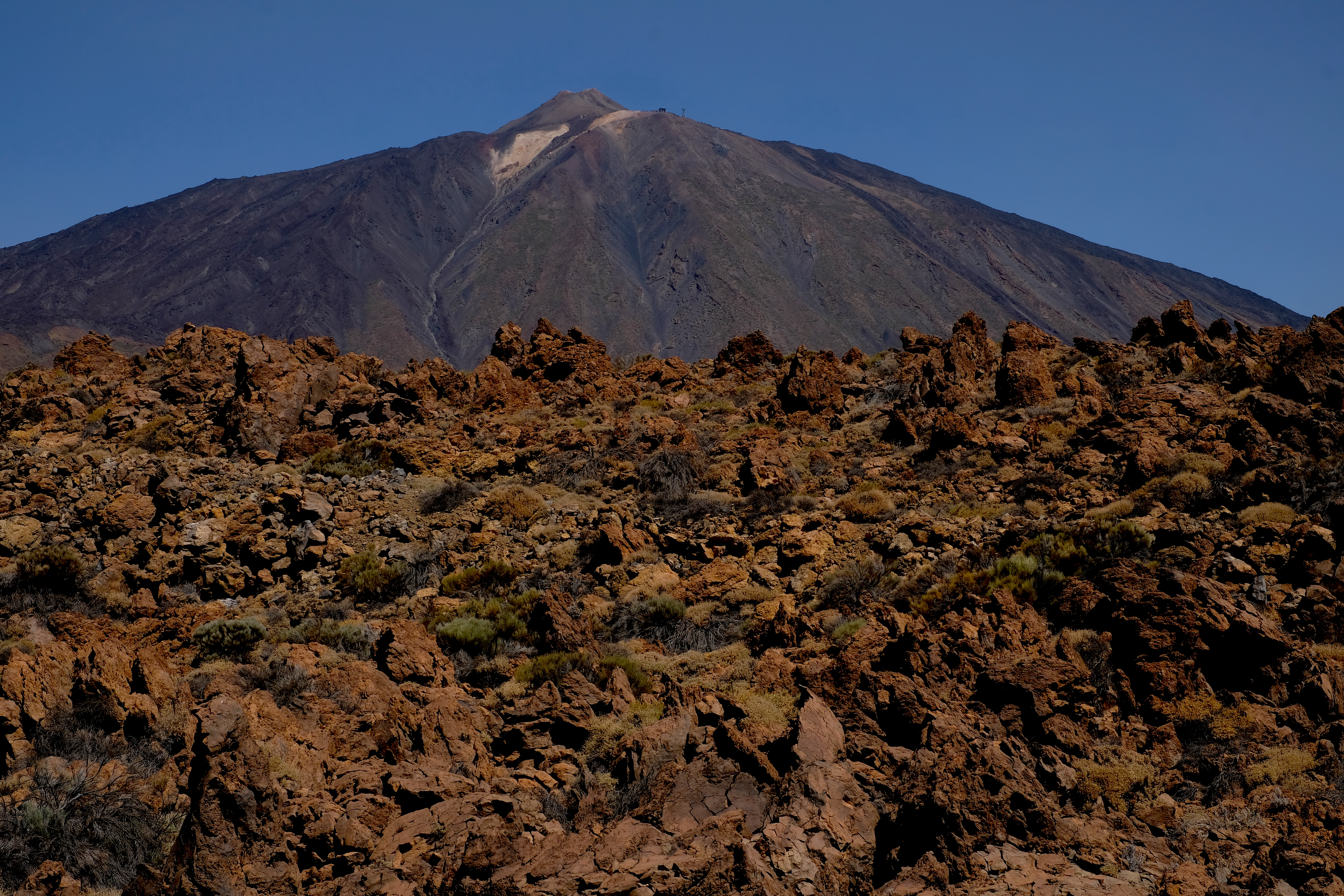
And then there is the mountain. Echeyde—the Guanche name for what the Spanish called Teide, the volcano that organizes the island’s geography and mythology alike. I photograph it from the lava field. Scrub vegetation clings to the rock where it can. The mountain that was once a god, now a national park, now a postcard, now this.